.png)
Is a Central Coast Second Home a Good Investment?

Updated: 2 days ago
You have visited San Luis Obispo County enough times that the drive home has started to feel wrong. Somewhere between Cayucos and the car, the idea of a second home stopped being a daydream and became a question you actually want answered. So here it is, honestly: is a Central Coast second home a good investment?
The answer depends almost entirely on what you mean by "investment." We have watched second-home buyers do very well here and we have watched others quietly regret it, and the difference usually comes down to whether they were clear with themselves about the goal before they bought.

LIFESTYLE, INCOME, OR BOTH
Start by naming what you are actually buying
There are three different purchases hiding inside the phrase "second home," and they behave differently.
The lifestyle purchase. You want a place your family uses often, that you will not rent, and that you hope holds value while you enjoy it. This is the most common second home we sell in SLO County.
The hybrid. You use it part of the year and rent it the rest, expecting rental income to offset a meaningful share of the cost.
The pure investment. You rarely stay in it. It exists to produce return, and you would sell it the moment the numbers stopped working.
Each of these can be a smart buy on the Central Coast. The mistake is buying one while telling yourself it is another. The hybrid buyer who never actually rents it, or the lifestyle buyer who expects investment-grade returns, ends up disappointed for reasons that had nothing to do with the property.
THE LONG VIEW
The appreciation case
The long-term case for owning coastal California real estate rests on something simple: there is very little of it, and it is extraordinarily hard to build more. West of Highway 101, and especially west of Highway 1, the Coastal Commission, local zoning, water constraints, and geography all put a ceiling on supply. Demand, meanwhile, comes from a wide funnel of Bay Area, Los Angeles, and Central Valley households who want exactly what you want.
That combination is why SLO County values have historically been resilient through downturns. We write about this in more depth in our piece on why SLO County home prices tend to hold up, but the short version is that scarcity is structural here, not cyclical.
What that does not mean is guaranteed short-term gains. Second homes are discretionary purchases, and discretionary demand softens first when the economy wobbles. If your horizon is two or three years, you are speculating. If it is ten or more, history has been kind to patient owners on this coast.
The buyers who do best with a second home here are the ones who would be happy owning it even if it never appreciated another dollar.
NIGHTLY RATES MEET LOCAL RULES
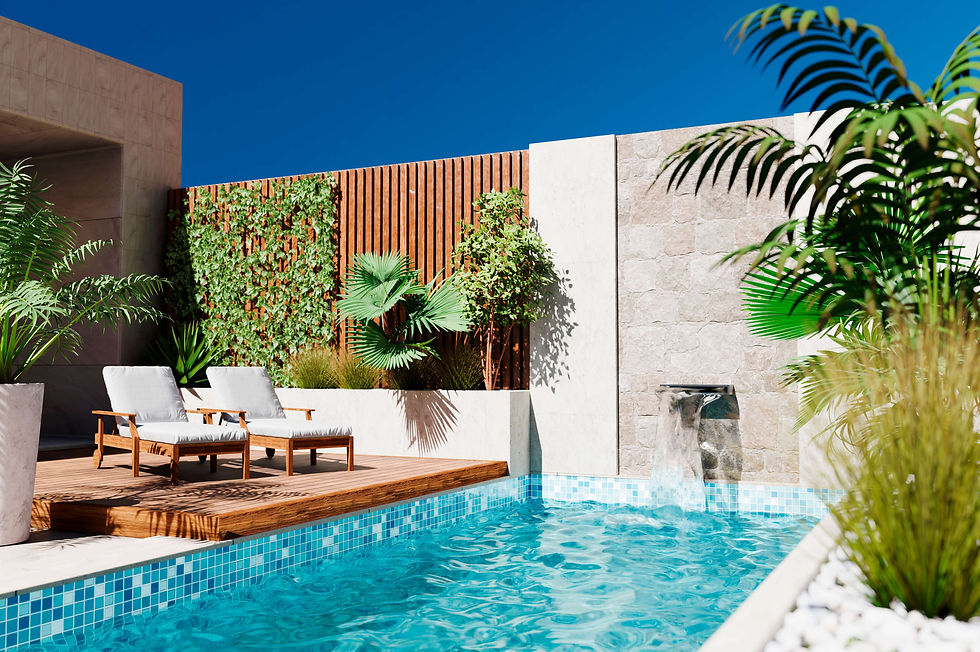
The rental-income case is more complicated than it looks
This is where we slow people down. Short-term rental income on the Central Coast is real, but it is not automatic, and it depends heavily on where you buy.
Every jurisdiction in SLO County regulates vacation rentals differently. Some towns license them with caps and waitlists, some restrict them to specific zones, and some effectively prohibit new ones in residential neighborhoods. A home in one part of Pismo Beach may be a legal, permitted vacation rental while a similar home a few blocks away cannot be. We keep a running guide to short-term rental rules across SLO County, town by town, and it changes often enough that you should verify the current rules with the city or county before you rely on rental income in your math.
Beyond legality, there is seasonality. Coastal towns fill up in summer and on holiday weekends and go quiet in the shoulder months. Wine country around Paso Robles has its own rhythm built around harvest and event weekends. A realistic rental projection assumes vacancy, management fees, cleaning, maintenance, transient occupancy tax, furnishing, and the occasional guest who treats your home the way you would never treat theirs.
Long-term renting is the steadier path. SLO County has persistent demand for well-kept rentals, but a long-term tenant means you no longer have a second home; you have a rental property that happens to be somewhere pretty. That can be an excellent investment. It is just a different one.
TAXES · INSURANCE · UPKEEP
Carrying costs that surprise second-home buyers
A second home costs more to hold than most people budget for, and the Central Coast adds a few specific items to the list.
Insurance. Coastal homes deal with salt air and moisture; inland and canyon homes deal with wildfire risk mapping. Both affect premiums and, in some areas, availability. Get an insurance quote during your contingency period, not after.
Maintenance you are not there to notice. Fog-belt homes need attention to moisture, paint, and wood. A small leak in a house you visit monthly becomes a big one. Budget for a local handyman or property watch service.
Property taxes. California reassesses at purchase, so your tax bill is based on what you pay, not what the previous owner paid. Our overview of how property taxes work in SLO County walks through what to expect.
HOA dues and special assessments in planned communities, resort-style developments, and some bluff-top neighborhoods.
Financing differences. Lenders typically require larger down payments and charge somewhat more for second homes than for primary residences, and investment-property loans are priced higher still. Be honest with your lender about how you will use the home.
COASTAL TOWNS · WINE COUNTRY
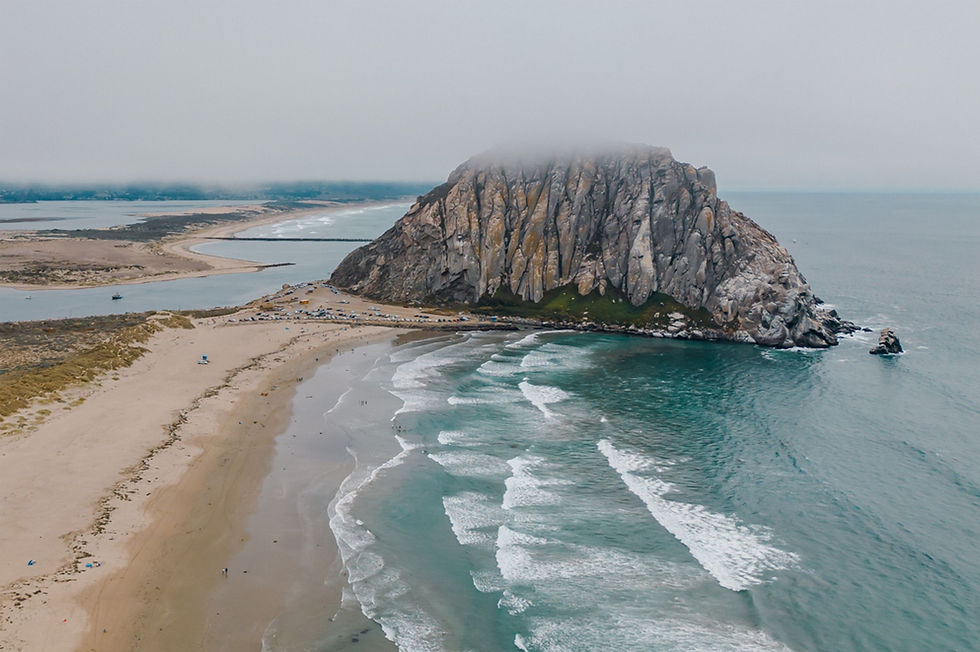
Where second homes tend to work on the Central Coast
We are careful about generalizing, but after years of walking these properties with out-of-area buyers, some patterns hold.
Cayucos, Cambria, and Avila Beach attract lifestyle buyers who want a small-town coastal base. Inventory is thin, prices reflect it, and the homes that trade well are the ones with real ocean views, walkability, or both.
Pismo Beach and Shell Beach appeal to hybrid buyers because of visitor demand, but licensing is the whole game. A permitted vacation rental and an unpermitted one are two different assets.
Paso Robles and Templeton draw second-home buyers who want wine country, acreage, and a different kind of weekend. Larger lots and guest houses open up options that beach towns cannot offer. If you are leaning this way, our guide to buying a second home in SLO County as an out-of-area buyer covers the practical side.
Morro Bay and Los Osos are where we often point buyers who want coastal living at a relatively more approachable price point, with the tradeoff of more fog and a quieter visitor scene.
BEFORE THE OFFER
Questions we ask before we help you write an offer
We would rather talk you out of the wrong second home than sell you one. So expect us to ask:
How many nights a year will you realistically be here? Be honest. Many buyers overestimate.
If rental income disappeared entirely, would you still want to own it?
Do you want to manage it yourself, hire it out, or not rent at all?
Is this a home you might eventually retire into? That changes what you should buy.
What does your exit look like, and on what timeline?
Answer those clearly and the "is it a good investment" question mostly answers itself.
Your next step
If you are seriously considering a Central Coast second home, spend a weekend here in the off-season, not the summer. See the fog, the quiet streets, the shoulder-month version of the town. Then browse current SLO County listings with a specific town and a specific use in mind, and bring us your list. We will tell you which ones fit the purchase you actually described and which ones only look like it.

Talk With Kim & Kristen
We are Kim San Jule and Kristen Gentry, Broker Associates with Real Broker, serving San Luis Obispo County and the Central Coast. Whether you are buying, selling, or simply thinking ahead, we are glad to be a resource.
Kim San Jule · Broker Associate, DRE 01948144 · 805-345-8303 · kimsanjule@gmail.com
Kristen Gentry · Broker Associate, DRE 01968754 · 805-441-4618 · kristengentryslo@gmail.com
Real Broker · Search Central Coast homes for sale


