.png)
Airbnb in Paso Robles Wine Country: Rules and Reality

Updated: 2 days ago
You have tasted your way down Highway 46 West, stayed in someone's guest house with a view of the vines, and done the math on the drive home: buy a place, rent it to wine tourists as an Airbnb in Paso Robles, let the property pay for itself. It is a compelling idea, and plenty of people have made it work. Plenty of others have bought first and learned the rules second.
We sell a lot of North County property, and vacation rental questions come up on nearly every showing west of town. Here is how we frame the conversation.

PERMITS START HERE
First question: city or county?
"Paso Robles" on a listing can mean two very different regulatory worlds, and the difference matters more than anything else in this post.
Inside the city limits of Paso Robles, short-term rentals are regulated by the city. The city has its own permitting process, its own rules about where rentals are allowed, and its own transient occupancy tax collection. Downtown and the established neighborhoods on both sides of the river fall here.
Outside the city limits, in the unincorporated county, which includes most of the vineyard land along Highway 46 West, Adelaida Road, Vineyard Drive, and the rural east side, vacation rentals are regulated by San Luis Obispo County. The county has its own ordinance covering vacation rentals in unincorporated areas, with its own permit process, standards, and enforcement.
Templeton, which is unincorporated, falls under county rules as well. So does Creston, San Miguel, and everything in between.
We are deliberately not quoting the specifics of either set of rules here because they change. What we can tell you is that both the city and the county require permits, both collect transient occupancy tax, and both have rules around occupancy, parking, noise, and neighbor notification. Before you make an offer contingent on rental income, call the relevant planning department, or ask us to walk you through the current version. We also keep a county-wide overview in our guide to short-term rental rules in SLO County, town by town.
NOT ALL WINE COUNTRY IS ALIKE
Why the location within wine country matters
Within the unincorporated area, not every parcel is treated the same. Zoning, lot size, road access, and proximity to neighbors can all affect whether a vacation rental permit is realistic. A few patterns we have noticed:
Larger rural parcels with distance from neighbors tend to be the easiest story to tell to a planning department. Fewer people to notify, fewer complaints.
Small rural subdivisions with close neighbors are where friction happens. A single unhappy neighbor can make the permit process, and the ongoing operation, difficult.
Properties that already hold a valid permit are a different asset than ones that do not. Whether that permit transfers with a sale, and under what conditions, is a question for the county and something we confirm in escrow.
Guest houses and ADUs have their own rules that may differ from renting the main home.
If you are shopping specifically along the wine road, our guide to buying a home near Highway 46 West covers the non-rental side of that lifestyle.
NIGHTLY RATES VS. REAL NET
The reality of the income
Now the part most listing brochures skip.
Seasonality is real. Paso Robles wine country has strong weekends from spring through harvest, with a peak around the big festival weekends and the Mid-State Fair. Winter weekdays are quiet.
A rental that is full every Saturday in October may sit empty most of January. Your annual projection should be built on realistic occupancy, not peak-weekend rates multiplied by 365.
Weekends carry the business. Unlike beach towns that draw week-long summer stays, wine country is largely a two- or three-night market. That means more turnovers per dollar of revenue, which means more cleaning, more wear, and more coordination.
Costs stack up. Permit fees, transient occupancy tax, county or city business licensing, furnishing, linens, cleaning, landscaping that looks good year-round, a hot tub that guests expect and that needs maintenance, higher insurance, and a manager if you are not local. Well and septic systems on rural properties take extra abuse from guests who do not know how to treat them.
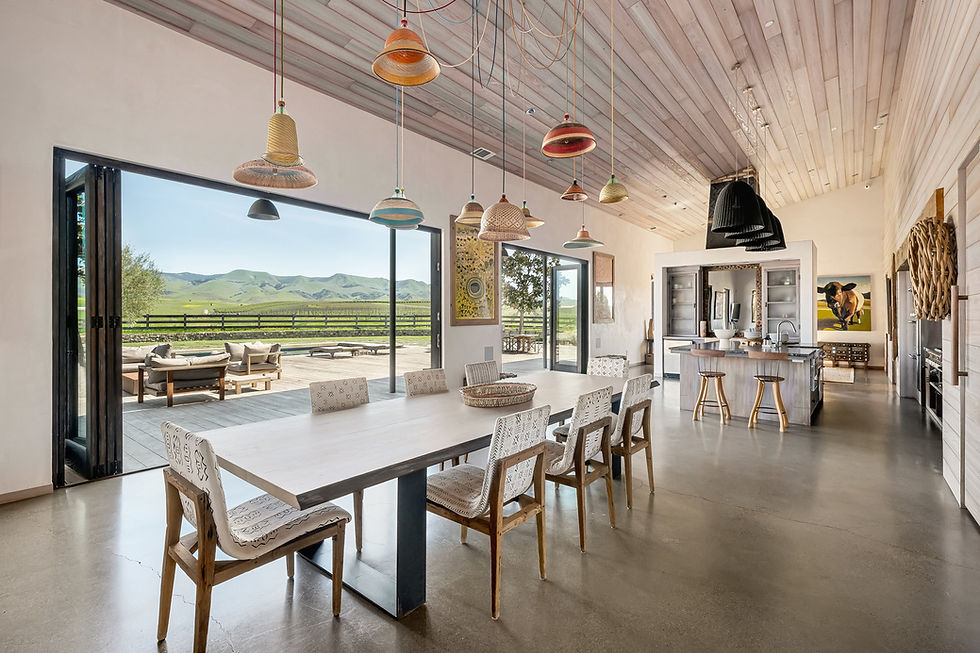
Competition is sophisticated. The Paso rental market includes professionally designed properties with pools, views, and full marketing. A dated ranch house with a nice deck will rent, but not at the rates you saw in the listing you fell in love with.
For the right property, run well, it can pencil. The owners who succeed here treat it as a hospitality business, not a passive investment.
The best-performing wine country rentals we have seen are owned by people who would happily stay in them for a week themselves.
RURAL SYSTEMS, REAL GUEST LOADS
Water, wells, and septic: the wine country wrinkle
Most rural Paso Robles properties are on private wells and septic systems, and the Paso Robles groundwater basin has been the subject of significant regulatory attention. A vacation rental with a hot tub, a pool, guest laundry, and back-to-back weekend groups puts a different load on a well and septic system than a family of three does.
Before you buy, get a proper well inspection with a flow test and water quality testing, and a septic inspection that includes the tank and the leach field. Our guide to buying a home with a well walks through what that inspection does and does not tell you. Then size your guest count and amenities to what the systems can actually handle.

THE GOOD-NEIGHBOR PLAN
Neighbors, noise, and the long game
This is the part we care most about, because it determines whether you still own the property happily in five years.
Rural Paso Robles is a real community of ranchers, vineyard owners, retirees, and families who chose quiet. Weekend bachelorette groups and late-night hot tub sessions are the reason vacation rental ordinances exist. The owners who last are the ones who set clear house rules, enforce occupancy limits, screen guests, install noise monitoring where permitted, and give neighbors a direct phone number that actually gets answered.
A permitted, well-run rental with good neighbor relationships is a stable asset. A rental fighting complaints is one enforcement action away from losing its permit, and its business model, overnight.
BEFORE YOU WRITE AN OFFER
A checklist before you write an offer
Confirm whether the property is inside the city limits or in the unincorporated county.
Call the relevant planning department and ask, in plain terms, whether a vacation rental permit is possible for that parcel and what the process involves.
If the seller claims an existing permit, get a copy and confirm its status and transferability.
Get an insurance quote for short-term rental use, not standard homeowner coverage.
Inspect the well and septic with rental-level use in mind.
Build a conservative income model that assumes real vacancy and full costs.
Decide who is managing it. If you live in the Bay Area or Los Angeles, that is not you.
Ask yourself whether you would still want the property if it could never be rented. If the answer is no, keep looking.
Where to start
Browse current Paso Robles and North County listings with an eye for the features that matter: parcel size, distance from neighbors, well and septic capacity, and whether the home has the kind of setting guests will pay for. Then let us know which ones caught your eye. We will tell you which side of the city line each one sits on, what the current rules look like for that parcel, and whether the income story holds up once the numbers are real. If you would rather own for the lifestyle and skip the hospitality business entirely, our overview of living in Paso Robles, east side, west side, and downtown is the better place to begin.

Talk With Kim & Kristen
We are Kim San Jule and Kristen Gentry, Broker Associates with Real Broker, serving San Luis Obispo County and the Central Coast. Whether you are buying, selling, or simply thinking ahead, we are glad to be a resource.
Kim San Jule · Broker Associate, DRE 01948144 · 805-345-8303 · kimsanjule@gmail.com
Kristen Gentry · Broker Associate, DRE 01968754 · 805-441-4618 · kristengentryslo@gmail.com
Real Broker · Search Central Coast homes for sale


